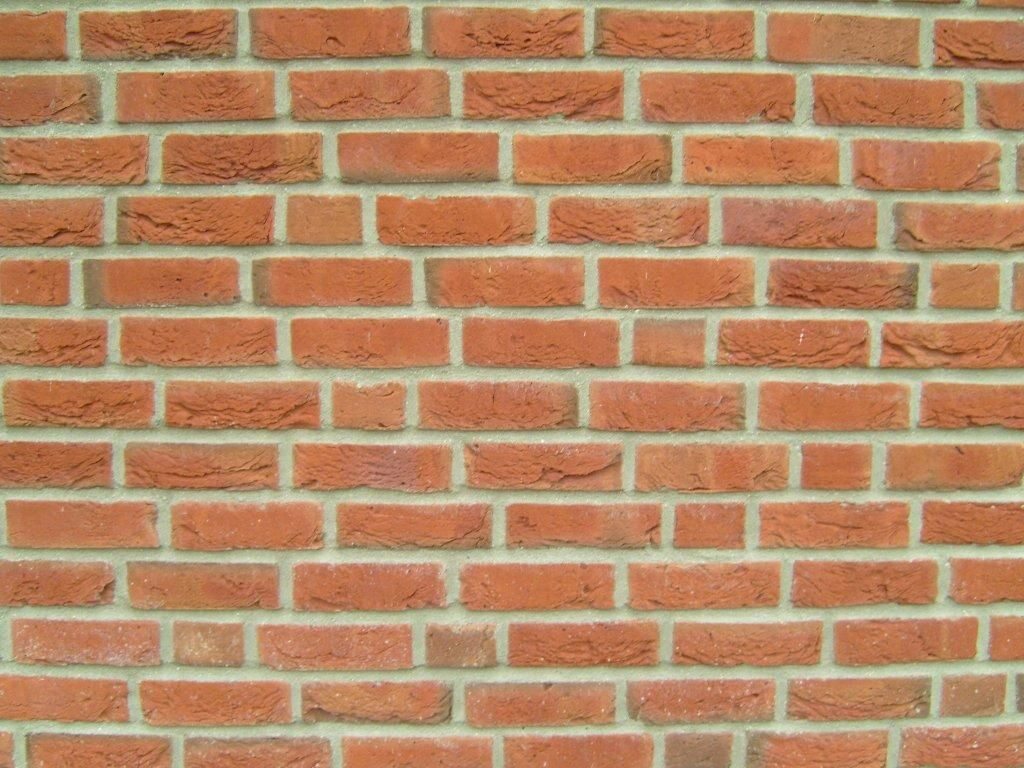
What is this type of construction?
Brickwork may be a solid load-bearing wall, or a single outer skin in front of a separate structure. Many newer walls have two leaves separated by a cavity; in some buildings, brick is a veneer supported by a frame rather than the main structure.
How is it built?
Individual fired-clay or concrete bricks are laid in courses and bonded with mortar. Older walls may be solid masonry, often several bricks thick. In cavity walls, metal wall ties connect the two leaves while maintaining a gap that helps manage rain.
What materials are used?
Bricks, mortar, cavity ties, lintels and damp-proof layers form the wall assembly. Mortar needs to be compatible with the brick and exposure. A damp-proof course, flashings and weep openings help manage rain and ground moisture.
Is it insulated?
Solid walls may receive compatible internal or external insulation; cavity walls may have insulation within the gap, where suitable. Insulation work needs to respect how the wall sheds and dries moisture.
Advantages
Brick can be long-lasting, low maintenance and visually varied. It resists fire and impact, and well-detailed cavity walls can manage rain effectively while accommodating insulation.
Disadvantages & common problems
Mortar gradually weathers and may need repointing. Hard, incompatible repairs can damage softer historic brick. Cracked or missing mortar, failed seals and blocked cavity drainage can admit moisture. Corroded wall ties may lead to horizontal cracks or bulging outer leaves. A damp mark alone does not identify the cause of moisture.
What should a property buyer check?
Look for stepped cracks through mortar, horizontal cracking, bowed wall faces, loose bricks and eroded joints. Check external ground levels against visible damp-proof details, and look for blocked weep holes or leaking gutters. Ask whether walls are solid, cavity or veneer, what insulation has been added, and whether tie or mortar repairs have been carried out. Movement or bowing merits specialist assessment.
When something looks unusual, note its location and whether it is changing. A suitably qualified local building professional can help distinguish routine upkeep from a concern that needs investigation.
Where is it commonly found?
Brick is used around the world in houses, apartments and boundary walls. Solid brickwork is common in older buildings; cavity walls and brick veneer are widely used in more recent construction.
This guide offers general information, not a diagnosis or country-specific legal advice. Materials, methods and maintenance needs vary with age, climate and local practice.
Questions about brick houses, damp and renovation
What causes damp in a brick house?
Possible sources include rain penetration, defective roof drainage, plumbing leaks, condensation and moisture at ground level. Check surrounding details and the pattern of damp rather than assuming a single cause. Treatment should follow a suitable investigation; an impermeable coating may trap moisture in some wall assemblies.
Should old brick walls be repointed with cement or lime mortar?
The replacement mortar should be compatible with the masonry and the original wall construction. Some older, softer bricks need a more permeable and flexible mortar than a strong cement-rich mix. Ask a qualified conservation or masonry specialist to assess the existing materials before specifying repointing.
Are cracks in a brick house always structural?
No, but they should not be dismissed without context. Movement, thermal effects, moisture, corrosion or changes around openings can produce different patterns. Record their location and whether they change, and obtain professional advice for concerning or progressive cracking. A general guide cannot diagnose an individual wall.